Summer Adjustments
Learn how your body regulates temperature through vasodilation and increased perspiration, maintaining optimal core temperature while supporting extended activity periods during warmer months
Explore the fascinating ways our bodies respond and adjust to changing seasons and weather patterns throughout the year
Learn how your body regulates temperature through vasodilation and increased perspiration, maintaining optimal core temperature while supporting extended activity periods during warmer months
Understand the physiological changes including vasoconstriction and thermogenesis that help you conserve heat and maintain energy reserves during colder seasons
Discover how your body navigates the shifts between seasons through gradual adjustments to circadian timing and metabolic rate as daylight hours change
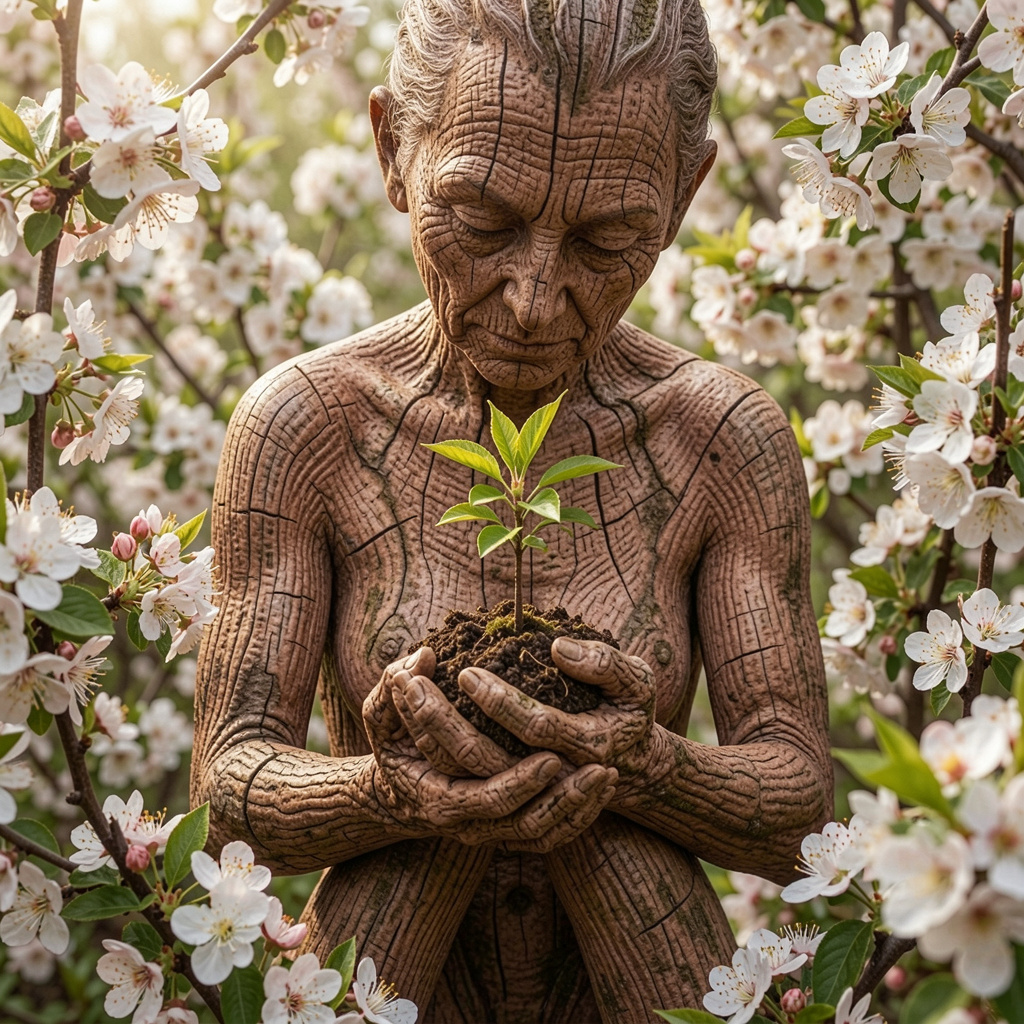
Our bodies are remarkably equipped to handle environmental changes throughout the year. The image illustrates the profound connection between human physiology and natural cycles. From adjusting metabolic rates to modifying sleep patterns, these adaptations occur naturally and continuously.
Temperature regulation, hormone production, and energy levels all shift in response to seasonal cues. Your body contains specialized sensors that detect changes in daylight duration, triggering cascading hormonal responses that prepare you for each season's unique demands.
Learn MoreComprehensive digital resource covering year-round body adaptation strategies, circadian rhythm optimization, and seasonal nutrition planning with monthly action plans
Interactive digital tool to monitor and understand your personal responses to weather variations, including barometric pressure sensitivity and temperature adaptation patterns
Year-long comprehensive guidance system with seasonal insights, personalized recommendations, and expert support for optimizing your body's natural rhythms
Your internal biological clock synchronizes with seasonal light changes through specialized photoreceptors in your eyes, influencing sleep quality, mood regulation, and energy distribution patterns throughout each 24-hour cycle
Energy expenditure naturally fluctuates with temperature changes as your body adjusts thermogenesis levels, affecting appetite signals, activity preferences, and caloric needs across different seasons
Seasonal variations trigger changes in hormone production, particularly melatonin and serotonin, which regulate mood, sleep depth, and overall energy management throughout the year
As daylight increases by approximately 3 minutes daily, your pineal gland reduces melatonin production while boosting serotonin synthesis. This neurochemical shift naturally elevates mood, increases motivation for physical activity, and enhances cognitive performance as your body emerges from winter conservation mode.
Peak daylight hours extending beyond 15 hours trigger maximum vitamin D synthesis and support extended activity periods. Your body optimizes cooling mechanisms through increased sweat gland activity and peripheral vasodilation, while sleep architecture shifts to accommodate longer days with slightly reduced total sleep duration.
Decreasing light exposure signals your suprachiasmatic nucleus to advance melatonin secretion timing, promoting earlier sleep onset and deeper slow-wave sleep cycles. This natural preparation phase helps your body build resilience for the approaching winter months through enhanced immune function and energy conservation.
Your body naturally conserves energy during shorter days through increased brown adipose tissue activation for thermogenesis. Metabolic adjustments help maintain core temperature at 98.6°F while supporting immune function, with appetite naturally shifting toward nutrient-dense foods that provide sustained energy release.
Align your routines with natural light cycles to improve sleep depth, reduce nighttime awakenings, and wake feeling more refreshed with enhanced cognitive function throughout the day
Work with your body's seasonal rhythms to optimize energy distribution, reduce afternoon fatigue, and maintain consistent vitality throughout the day and across the entire year
Recognize and support natural hormonal shifts that occur with changing seasons, helping maintain emotional balance and reducing the impact of seasonal mood variations
Understand temperature regulation mechanisms to stay comfortable in varying weather conditions, reducing stress on your thermoregulatory system and conserving valuable energy
Time activities and goals according to your body's natural seasonal strengths, maximizing productivity during high-energy periods and honoring rest during conservation phases
Create harmony between your lifestyle and the natural world around you, fostering a deeper connection with environmental rhythms that humans have followed for millennia
Your body is designed to flow with nature's cycles through sophisticated biological mechanisms that have evolved over millions of years. When you understand these patterns, you can make informed choices that support rather than fight against your natural rhythms, leading to improved wellbeing and vitality.
We use cookies to enhance your browsing experience and analyze site traffic. By continuing to use this site, you consent to our use of cookies.