Light Sensitivity
Your eyes detect changes in daylight duration, signaling your brain to adjust various biological processes accordingly
Understanding how your body naturally adjusts to the changing seasons
Throughout human evolution, our bodies have developed sophisticated mechanisms to respond to seasonal variations. The image illustrates how circadian rhythms synchronize with seasonal light patterns, affecting everything from our sleep patterns to our energy levels and even our mood.
During longer summer days, your suprachiasmatic nucleus receives extended light signals, suppressing melatonin production and promoting alertness. This natural variation influences when you feel alert, when you feel tired, and how much energy you have for daily activities. The circadian system shown demonstrates the intricate connection between environmental light and internal biological timing.
The transition between seasons can be particularly fascinating. As daylight hours shift, your body gradually adjusts its internal timing system through a process called photoentrainment. This happens automatically through specialized retinal ganglion cells that detect blue light wavelengths, though you can support it by maintaining consistent routines and maximizing morning light exposure.
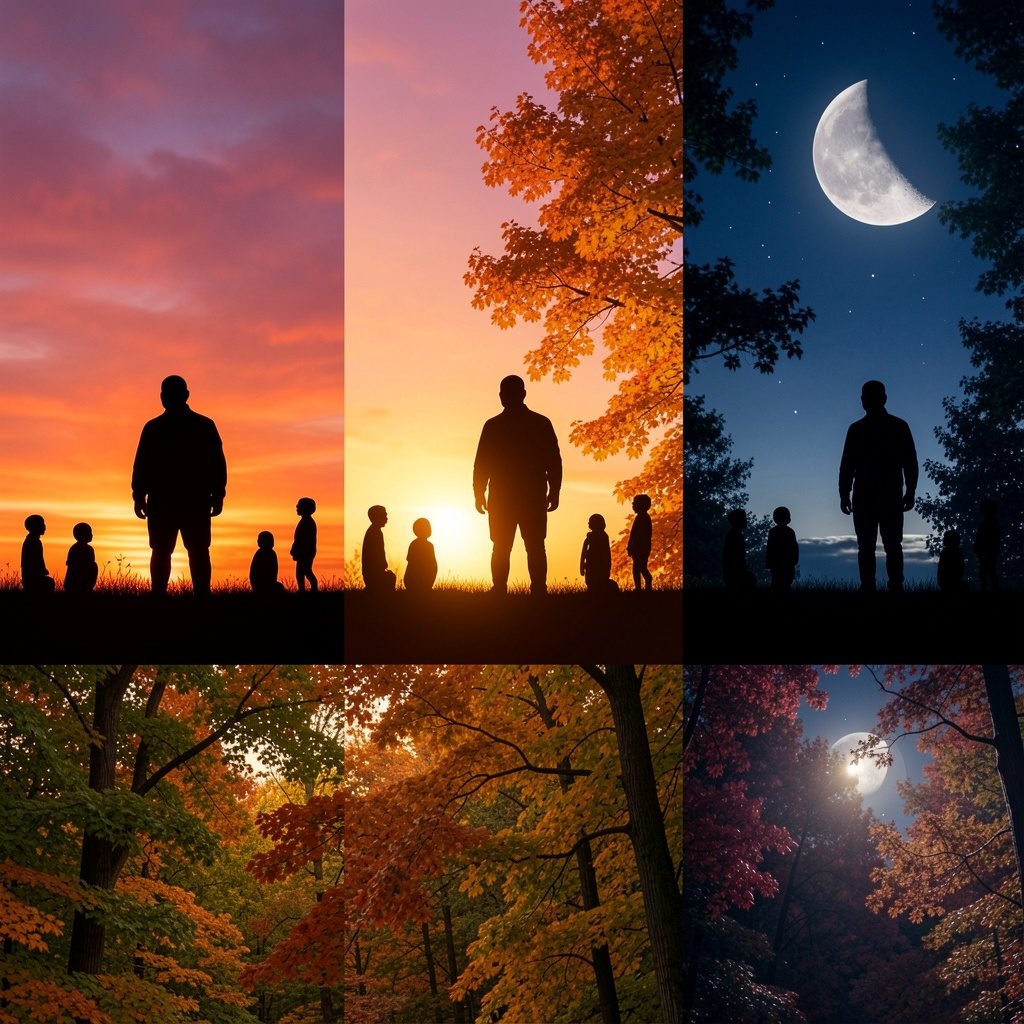
Your eyes detect changes in daylight duration, signaling your brain to adjust various biological processes accordingly
Body temperature control systems adapt to ambient conditions, optimizing comfort and energy efficiency
Energy processing adjusts based on seasonal demands, influencing appetite and activity preferences
Rest patterns naturally shift with seasonal light exposure, affecting sleep duration and quality
As days lengthen, your body naturally increases activity levels through elevated cortisol awakening response and enhanced dopamine signaling. This is an ideal time to establish new routines and embrace outdoor activities. Energy levels typically rise during this period as your body responds to increased sunlight exposure, warmer temperatures, and the natural awakening of the environment around you.
Maximum daylight hours support extended activity periods through sustained serotonin production and vitamin D synthesis. Your body's cooling systems work efficiently through eccrine sweat glands and increased blood flow to skin surfaces, though hydration becomes more important. Sleep may naturally decrease slightly as your circadian rhythm adjusts to longer days and increased environmental light exposure.
Decreasing daylight signals a gradual shift toward rest and recovery through earlier melatonin onset and increased parasympathetic nervous system activity. This is a natural time for reflection and preparing for the quieter winter months ahead. Your body begins producing melatonin earlier in the evening as darkness arrives sooner, facilitating deeper restorative sleep and cellular repair processes.
Shorter days encourage more rest and indoor activities through extended melatonin secretion and reduced serotonin availability. Your body may naturally crave more sleep and prefer warming, substantial foods during this season. This conservation mode helps maintain energy reserves during the coldest months through increased appetite for complex carbohydrates and enhanced brown fat thermogenesis.
Maximize natural light exposure during daytime hours, especially in winter when daylight is limited. Morning sunlight containing blue wavelengths (460-480nm) helps regulate your circadian rhythm through melanopsin-containing retinal ganglion cells, supporting healthy sleep-wake cycles throughout seasonal transitions and reducing the risk of circadian misalignment.
Adjust your eating patterns to align with seasonal availability and your body's changing metabolic needs. Lighter meals with increased water content in summer support hydration and cooling, while more substantial nutrition with healthy fats and complex carbohydrates in winter supports natural metabolic variations, thermogenesis, and sustained energy release during shorter days.
Schedule physical activities according to seasonal energy patterns and circadian phase. Higher intensity cardiovascular and strength training during spring and summer when cortisol and testosterone levels peak naturally, with more restorative practices like yoga and stretching in autumn and winter, honors your body's natural rhythm and optimizes recovery capacity.
Allow your sleep schedule to shift slightly with the seasons, following natural photoperiod changes. More rest in winter (8-9 hours) when melatonin secretion extends longer, and slightly less in summer (7-8 hours) when daylight extends, aligns with natural light cycles and supports optimal recovery, immune function, and cognitive performance throughout the year.
Your body receives constant information from the environment through multiple sensory channels working in concert. Light entering your eyes through the cornea reaches specialized melanopsin-containing retinal ganglion cells that signal your brain's master clock about the time of day and season. Temperature sensors called thermoreceptors in your skin provide continuous data about ambient conditions. These signals work together through neural and hormonal pathways to coordinate your body's adaptive responses with remarkable precision.
Light intensity and duration inform your suprachiasmatic nucleus, the brain's master circadian pacemaker
Temperature changes detected by peripheral and central thermoreceptors trigger metabolic and vascular adjustments
Your hypothalamus integrates environmental signals to coordinate hormonal, metabolic, and behavioral responses
Discover personalized insights about your body's seasonal patterns and learn how to optimize your wellbeing throughout the year
We use cookies to enhance your browsing experience and analyze site traffic. By continuing to use this site, you consent to our use of cookies.